Technique
Efficient jiu-jitsu is not lazy. It is selective. This section focuses on frames, pressure, position, and small systems that keep working after speed stops volunteering.
How we test a technique
- It has a clear starting position and a recognizable finish.
- It still works when the first attempt meets sensible resistance.
- Its common mistakes are teachable, not mysterious.
- It does not depend on extraordinary flexibility or an emergency scramble.
Practice new material cooperatively, then add resistance in steps. If a movement causes sharp pain or asks a joint to negotiate against its design, stop and get qualified guidance.
Field notes
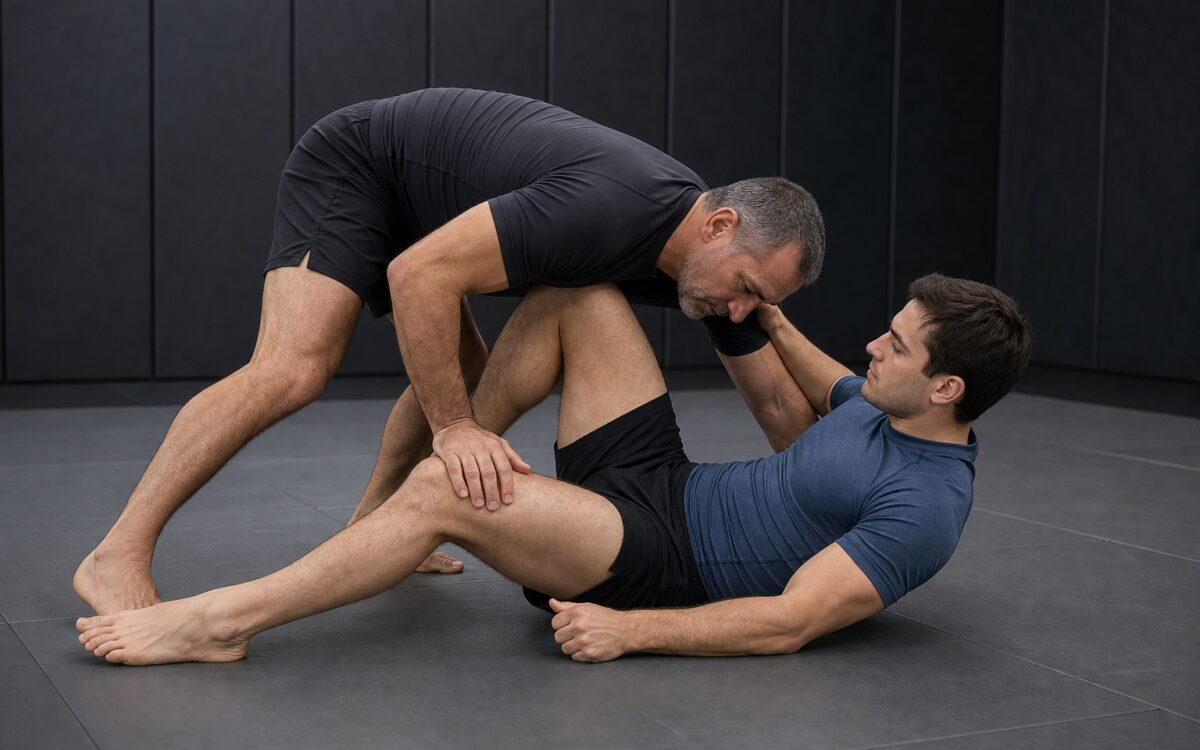
Inside Camping in BJJ: How to Tire Out Lively Guard Players
A practical guide to inside camping in BJJ, a patient guard-passing strategy for making active opponents work, overextend, and concede chest-to-chest half guard.
Read article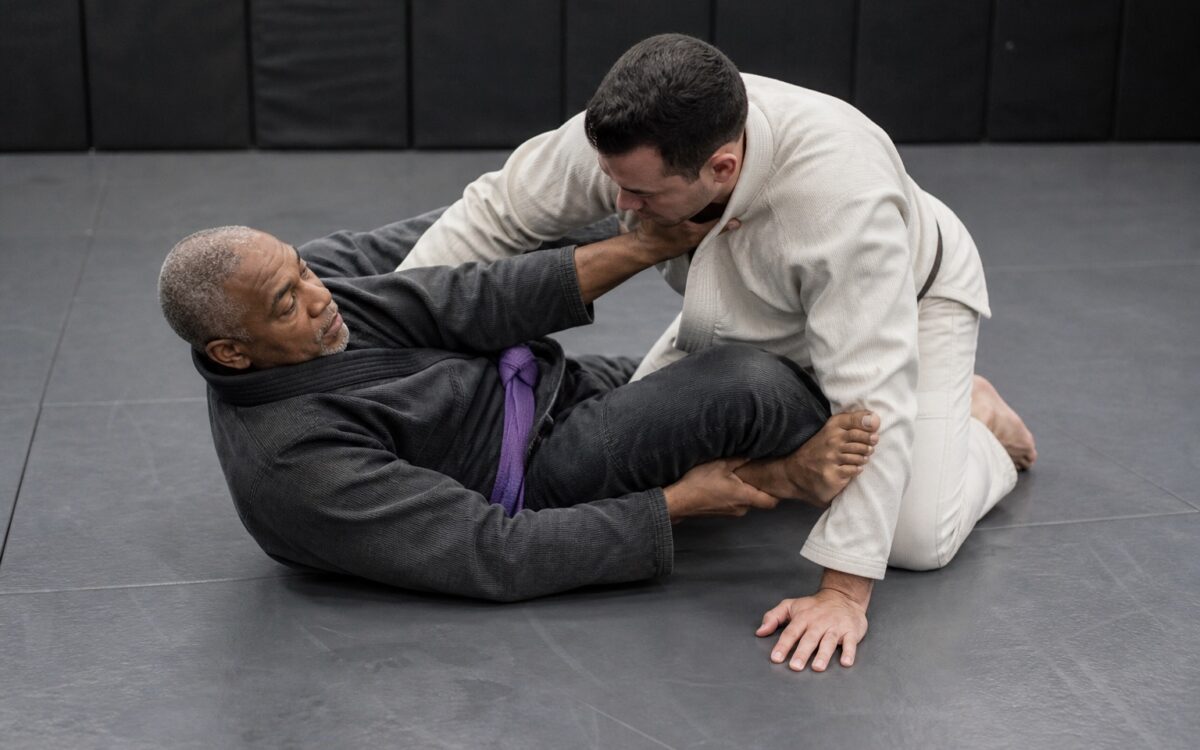
Half Guard Recovery After 40: How to Stop Getting Flattened
A step-by-step half guard recovery framework for rebuilding frames, inside position, and knee shield after a pressure passer starts flattening you.
Read article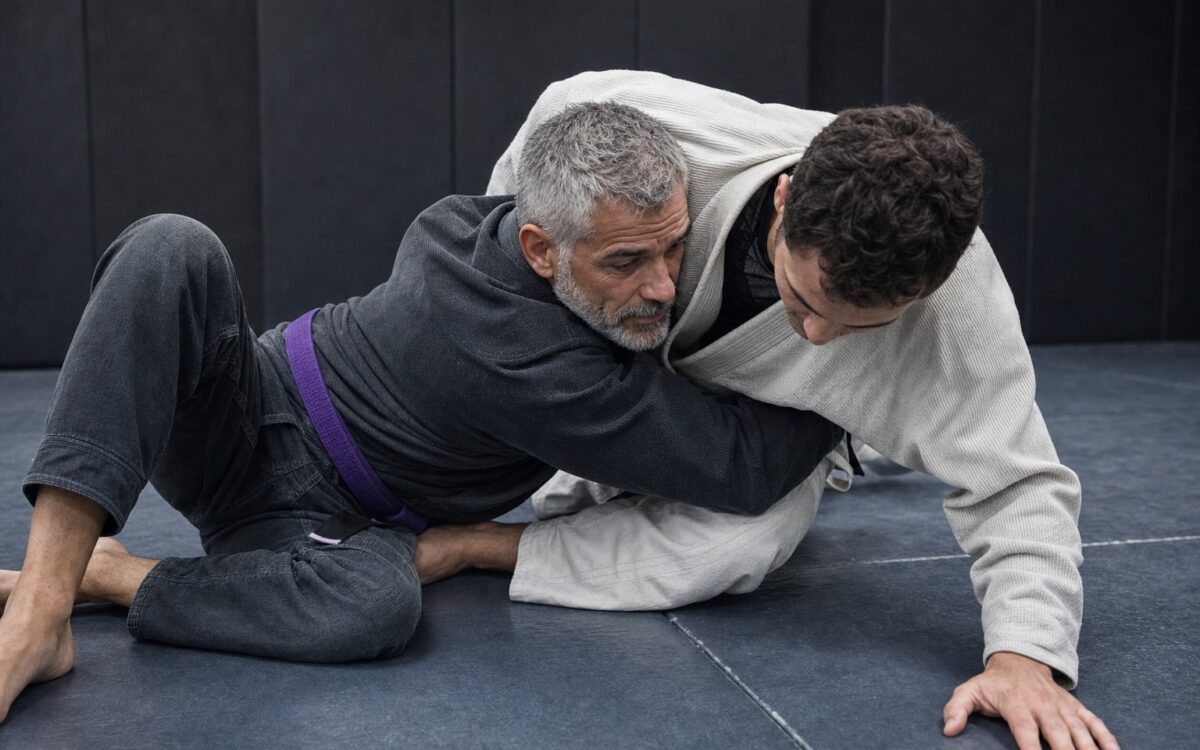
The BJJ Underhook: How to Control, Escape, and Wrestle Up
A practical guide to winning and using underhooks from half guard, side control, and standing without mistaking one arm position for automatic control.
Read article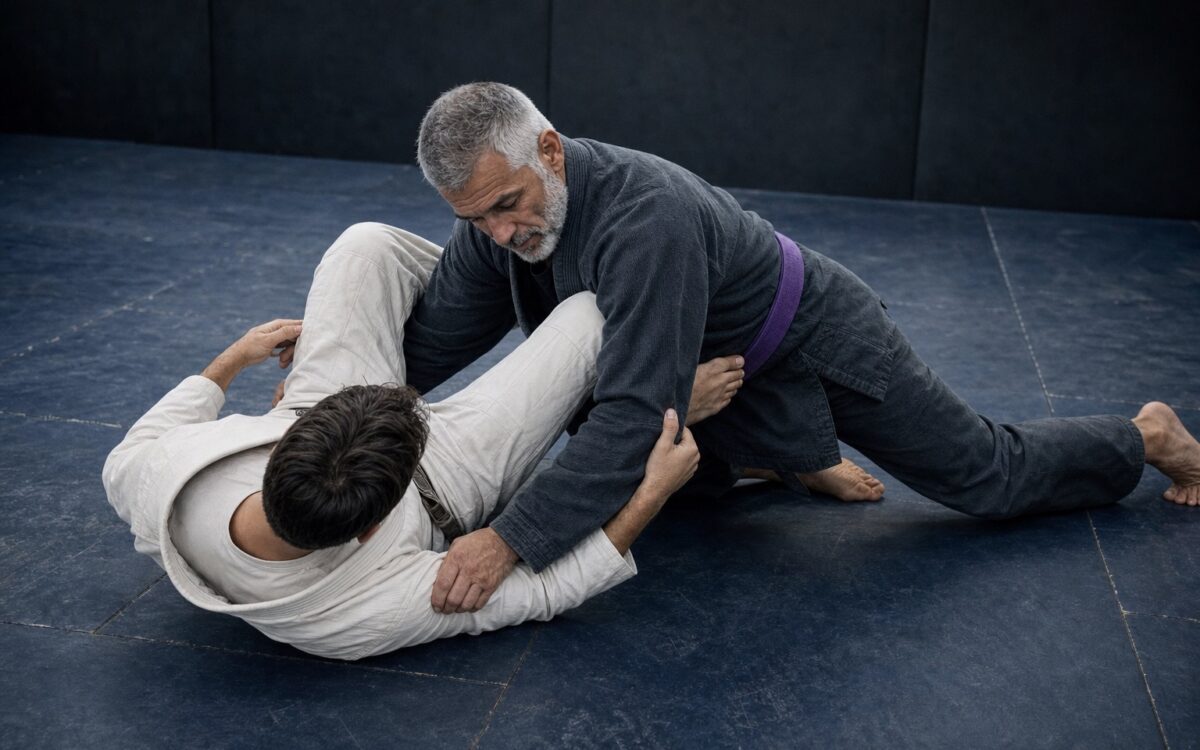
Bernardo Faria’s Over-Under Pass: A Step-by-Step Guide
A transcript-based guide to Bernardo Faria's signature over-under pass, including the three-phase system, lateral walk, hip switch, finish, and common mistakes.
Read article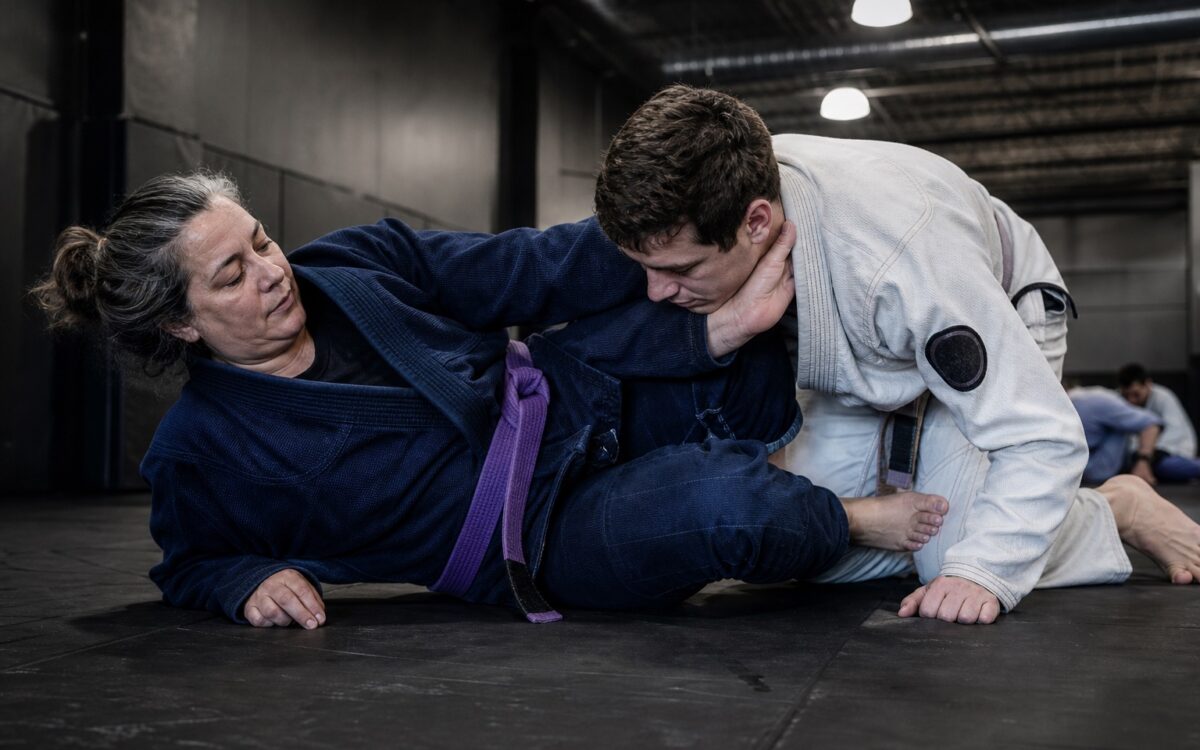
BJJ After 40: How to Build a Low-Drama, High-Efficiency Game
A practical framework for connecting guard, sweeps, pressure passing, control, and submissions into an efficient BJJ game after 40.
Read article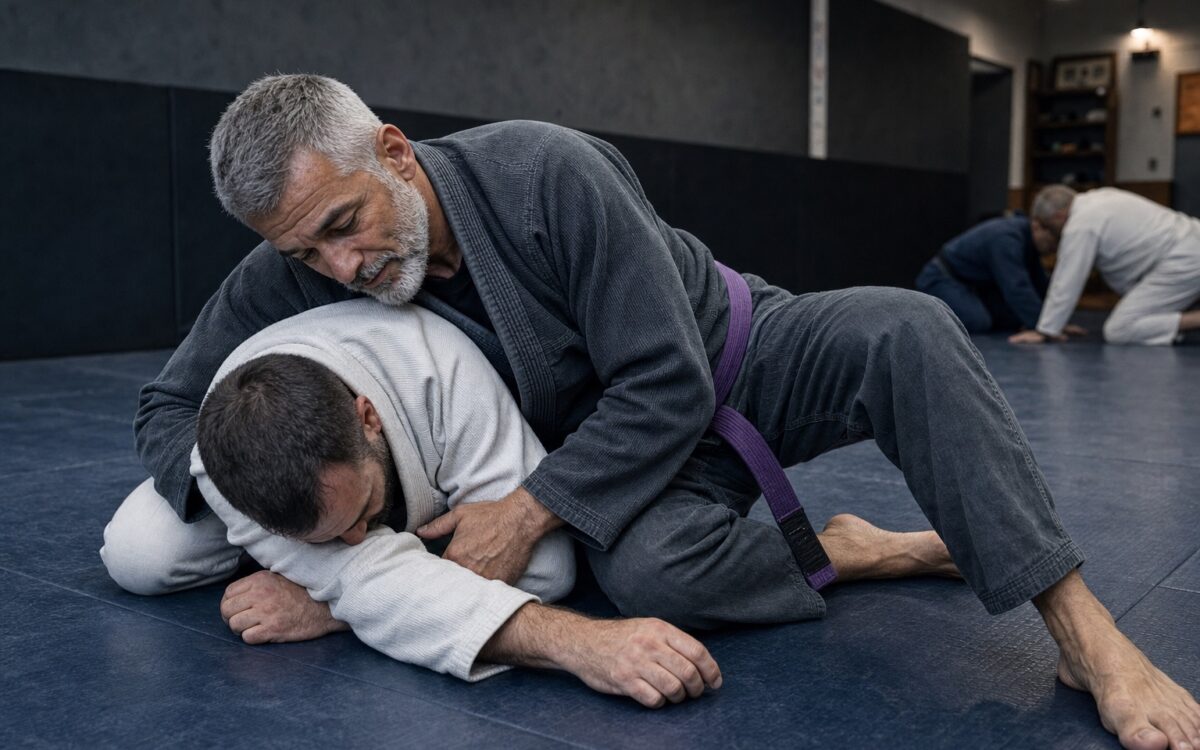
Old Man Jiu-Jitsu: 7 Principles for Training After 40
Seven practical principles for building effective, sustainable old man jiu-jitsu without trying to match younger partners move for move.
Read article